Help Clean Our Oceans: Support Dive Against Debris

The oceans cover over 70% of our planet's surface, serving as a vital resource for countless species and human communities alike. Yet, they are under siege from pollution, particularly plastic waste. Each year, millions of tons of debris find their way into our oceans, harming marine life and disrupting ecosystems. One initiative making a significant impact in this battle against ocean pollution is Dive Against Debris. This program empowers divers to take action, collect data, and clean up our oceans. In this post, we will explore how you can support this initiative and contribute to a cleaner, healthier ocean.

Understanding the Problem of Ocean Pollution
The Scale of Ocean Pollution
Ocean pollution is a global crisis. According to the United Nations, around 13 million tons of plastic enter the oceans each year. This waste not only endangers marine life but also affects human health through the food chain. Here are some key statistics to consider:
Marine Life Impact: Over 800 species worldwide are affected by marine debris, with many species mistaking plastic for food.
Economic Costs: The fishing and tourism industries lose billions each year due to pollution-related damages.
Microplastics: These tiny plastic particles are now found in the most remote parts of the ocean, including the Arctic.
The Role of Divers in Ocean Conservation
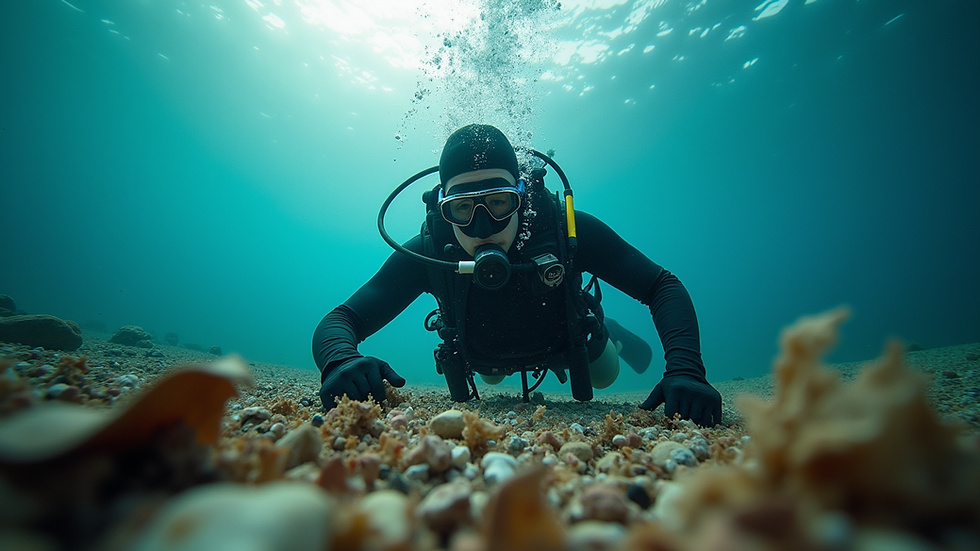
Divers play a crucial role in combating ocean pollution. They have the unique ability to access underwater environments that are often neglected. By participating in clean-up efforts, divers can help remove debris and gather valuable data on the types and quantities of waste found in different areas. This information is essential for developing effective strategies to combat ocean pollution.
What is Dive Against Debris?
Overview of the Initiative
Dive Against Debris is a global program initiated by Project AWARE, a non-profit organization dedicated to ocean conservation. The program encourages divers to actively participate in underwater clean-ups while collecting data on marine debris. This initiative not only helps remove waste but also raises awareness about the impact of pollution on marine ecosystems.
How It Works
Training: Divers receive training on how to safely collect debris and report their findings.
Data Collection: Participants document the types and amounts of debris they collect, contributing to a global database.
Community Engagement: The initiative fosters a sense of community among divers and encourages them to share their experiences and findings.
How You Can Support Dive Against Debris
Participate in Local Clean-Up Events
One of the most direct ways to support Dive Against Debris is by participating in local clean-up events. Many dive shops and organizations host regular clean-ups, providing opportunities for divers of all levels to get involved. Here’s how you can find and participate in these events:
Check Local Dive Shops: Many dive shops organize clean-up dives and can provide information on upcoming events.
Join Online Communities: Platforms like Facebook and Meetup often have groups dedicated to ocean conservation and clean-up events.
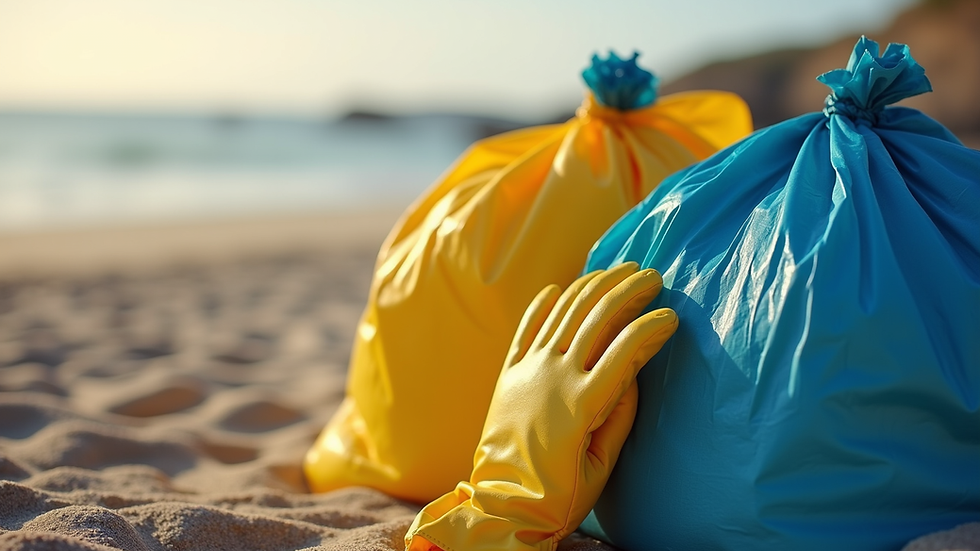
Volunteer: If you’re not a diver, you can still help by volunteering for surface clean-ups or supporting logistics.
Donate to Support Conservation Efforts
Financial contributions can significantly impact the success of initiatives like Dive Against Debris. Donations help fund training programs, clean-up events, and research efforts. Here are some ways to contribute:
Direct Donations: Visit the Project AWARE website to make a direct donation to support their initiatives.
Fundraising Events: Participate in or organize fundraising events, such as charity dives or ocean-themed activities.
Corporate Sponsorships: If you own a business, consider sponsoring a clean-up event or partnering with local dive shops.
Spread Awareness
Raising awareness about ocean pollution and the importance of initiatives like Dive Against Debris is crucial. Here are some effective ways to spread the word:
Social Media: Share your clean-up experiences and promote upcoming events on platforms like Instagram and Facebook.
Educational Workshops: Host or attend workshops that educate others about ocean conservation and the impact of pollution.
Engage with Local Schools: Collaborate with schools to create programs that teach students about marine conservation.
The Impact of Dive Against Debris
Success Stories
The Dive Against Debris initiative has seen remarkable success since its inception. Here are a few notable achievements:
Data Collection: Thousands of divers have contributed to a global database, helping researchers understand the scope of marine debris.
Community Building: The initiative has fostered a global community of divers who are passionate about ocean conservation.
Policy Influence: Data collected through Dive Against Debris has been used to influence policy changes aimed at reducing plastic waste.
Personal Stories
Many divers have shared their personal experiences with Dive Against Debris, highlighting the profound impact it has had on their lives. For example, a diver named Sarah participated in a clean-up in her local waters and was shocked by the amount of plastic she found. This experience motivated her to become an advocate for ocean conservation, leading her to organize community clean-ups and educate others about the importance of protecting our oceans.
The Future of Ocean Conservation
Innovations in Clean-Up Technology
As awareness of ocean pollution grows, so does the development of innovative technologies aimed at cleaning our waters. Some exciting advancements include:
Autonomous Underwater Vehicles (AUVs): These robots can navigate underwater environments to locate and collect debris.
Biodegradable Materials: Research is ongoing to develop materials that break down more easily in marine environments, reducing long-term pollution.
Community-Driven Apps: New mobile applications allow divers and beachgoers to report pollution hotspots, helping organize clean-up efforts more effectively.
The Role of Policy and Legislation
Government policies play a crucial role in addressing ocean pollution. Advocating for stronger regulations on plastic production and waste management can lead to significant changes. Here are some key areas to focus on:
Single-Use Plastics: Support legislation aimed at reducing or banning single-use plastics in your community.
Waste Management Improvements: Advocate for better waste management systems that prevent debris from entering waterways.
Marine Protected Areas: Encourage the establishment of marine protected areas that limit human activity and promote ecosystem recovery.
Conclusion
The fight against ocean pollution requires collective action, and initiatives like Dive Against Debris are leading the charge. By participating in clean-up events, donating to conservation efforts, and spreading awareness, you can play a vital role in protecting our oceans. Remember, every small action counts. Together, we can create a cleaner, healthier ocean for future generations.
Take the first step today. Join a local clean-up, donate to a conservation organization, or simply share this post to raise awareness. The ocean is calling, and it’s time to answer.

Comments